1777 N Bellflower Blvd #213, Long Beach, CA 90815
Root canal myths that keep patients unnecessarily anxious in Long Beach are more common than you might think. Many people delay or avoid this treatment based on stories they heard decades ago — or fears that simply do not match modern dental reality. At Long Beach Dental Health, Dr. Anthony Mark Saad hears these concerns every week. This article breaks down the most persistent myths one by one, with honest and empathetic answers.
Myth 1: Root Canals Are the Most Painful Dental Procedure
This is the biggest and most damaging myth in dentistry. It keeps countless patients suffering through tooth pain rather than seeking relief. The truth is that root canals relieve pain — they do not cause it.
Modern root canal treatment uses local anesthesia that numbs the area completely. Most patients feel little to no discomfort during the procedure itself. The pain people associate with root canals is actually the pain of the infected tooth before treatment.
Think of it this way: you feel better after a root canal, not worse. The procedure eliminates the source of the infection and the agony that comes with it. Many patients are genuinely surprised by how manageable the experience is.
Myth 2: Root Canals Cause Illness or Spread Infection
This myth traces back to outdated and thoroughly debunked research from the early 1900s. Some websites still claim root canals cause systemic illness. Current science does not support this at all.
The American Association of Endodontists and the American Dental Association have both addressed this myth directly. Root canals do not spread bacteria through your body. In fact, they remove infected tissue and seal the tooth to prevent further bacterial growth.
Leaving an infected tooth untreated is far more dangerous. Untreated dental infections can spread to the jaw, neck, or even the brain. A root canal stops that risk — it does not create one.
- Root canals remove infected pulp tissue safely
- The tooth is sealed after treatment to block bacteria
- Untreated infections pose far greater health risks
- Decades of research confirm root canal safety
Myth 3: It Is Better to Just Pull the Tooth
Some patients believe tooth extraction is simpler, faster, and easier than a root canal. This thinking is understandable but often leads to long-term problems. Saving your natural tooth is almost always the better outcome.
When you lose a tooth, the surrounding teeth begin to shift. Bone loss in the jaw follows shortly after. These changes can affect your bite, your appearance, and your ability to chew comfortably.
Replacing a missing tooth with an implant or bridge takes additional time and expense. A root canal preserves what you already have. Dr. Saad and the team at Long Beach Dental Health always prioritize saving your natural tooth when possible.
That said, extraction is sometimes the only viable option. When it is necessary, Long Beach Dental Health offers tooth extraction with clear aftercare guidance and replacement options to protect your smile long term.
Root Canal Myths That Keep Patients Unnecessarily Anxious in Long Beach — Why They Persist
These myths spread for a reason. Older root canal techniques were genuinely more uncomfortable. Anesthesia was less effective. Tools were less precise. Patients from previous generations had real reasons to dread the procedure.
But dentistry has changed dramatically. Digital imaging, rotary instruments, and superior anesthetic techniques have transformed what a root canal feels like today. The experience patients describe from thirty years ago simply does not reflect current care.
Social media and online forums also amplify horror stories. One bad experience shared online reaches thousands of people. Positive, uneventful appointments rarely get posted. This creates a distorted picture of what root canal treatment actually involves.
- Older techniques were more uncomfortable — modern tools have changed everything
- Anesthesia today is far more effective and reliable
- Horror stories spread online while smooth appointments go unmentioned
- Fear of the unknown drives anxiety more than the procedure itself
What to Expect During a Root Canal at Long Beach Dental Health
Knowing exactly what happens can reduce anxiety significantly. Dr. Saad takes time to explain every step before beginning. Patients who understand the process tend to feel calmer and more in control.
Here is a straightforward breakdown of the typical root canal process:
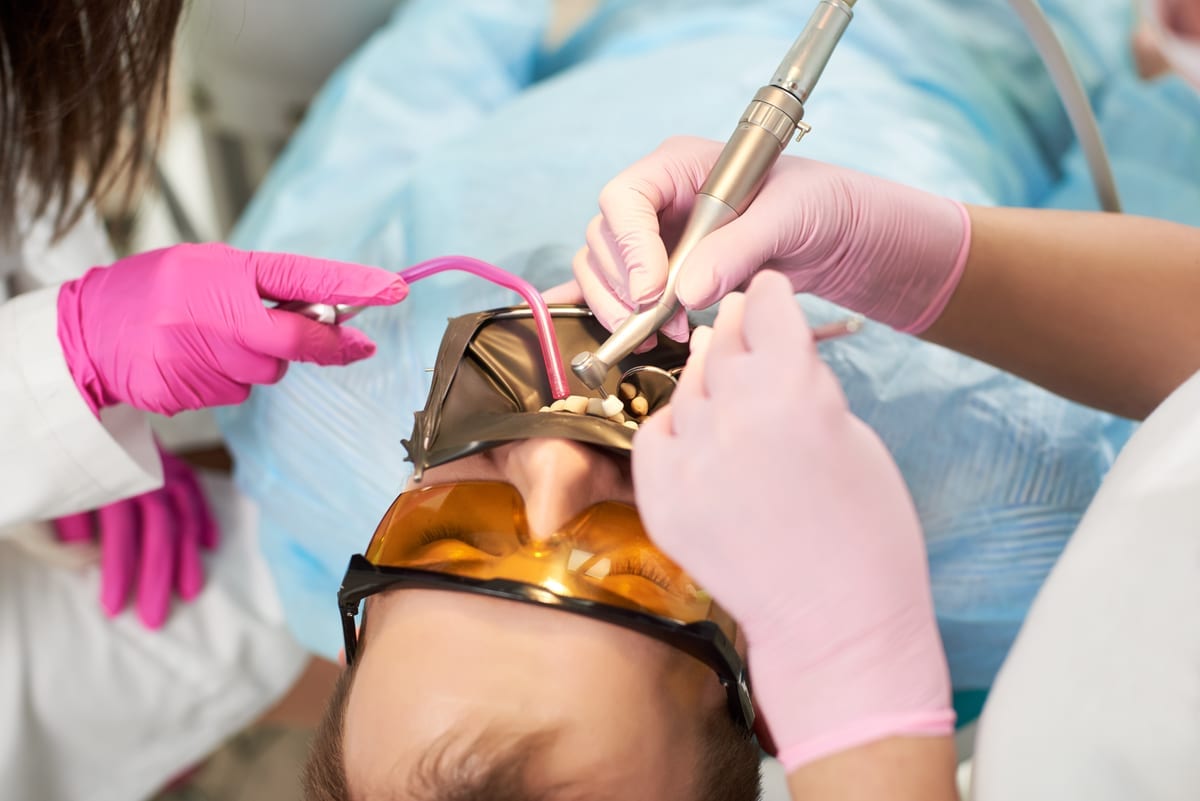
- Numbing the area: Local anesthetic is applied until the tooth and surrounding tissue are completely numb.
- Accessing the pulp: A small opening is made in the tooth crown to reach the infected pulp.
- Removing the pulp: Infected tissue is carefully removed using precise instruments.
- Cleaning and shaping: The root canals are cleaned, shaped, and disinfected.
- Sealing the tooth: The canals are filled with a biocompatible material and the tooth is sealed.
- Placing a crown: A crown is usually placed later to protect and restore the tooth.
Most appointments take one to two hours. Some cases require a second visit. Recovery is typically mild, with manageable soreness for a few days.
When to Seek Emergency Dental Care for Tooth Pain
Severe tooth pain, swelling, or a visible abscess are signs you should not wait. These symptoms often indicate an infection that needs prompt attention. Delaying care can allow the infection to worsen quickly.
If you are experiencing sudden or severe dental pain in Long Beach, Emergency Dentistry Long Beach services are available at Long Beach Dental Health. Dr. Saad and the team treat urgent dental situations with care and efficiency. You do not have to suffer through tooth pain while trying to find answers online.
After your tooth is treated and healed, you may want to explore smile restoration options. Many patients who have had root canals later pursue Cosmetic Dentistry Long Beach treatments to improve the appearance of the restored tooth and surrounding smile.
Conclusion: Fear Should Not Stand Between You and Healthy Teeth
Root canal myths have real consequences. They cause patients to delay care, live with unnecessary pain, and risk more serious health complications. The good news is that the reality of modern root canal treatment is far less frightening than the myths suggest.
Dr. Anthony Mark Saad and the team at Long Beach Dental Health are committed to making every visit comfortable, informative, and judgment-free. If you have been putting off treatment because of fear, it is time to get the facts from a trusted source. Book Now to schedule your appointment with our team.
Frequently Asked Questions
Does a root canal hurt during the procedure?
No. Local anesthesia numbs the tooth and surrounding area completely before treatment begins. Most patients feel pressure but not pain. Any soreness after the procedure is usually mild and manageable with over-the-counter pain relievers.
How long does a root canal take?
Most root canal procedures take between one and two hours. Some complex cases may require a second appointment. Dr. Saad will give you a clear timeline during your consultation so you can plan accordingly.
Is it safe to delay a root canal if I am nervous?
Delaying treatment is not recommended. An infected tooth does not heal on its own. The infection can spread to surrounding teeth and tissue. Early treatment is safer, faster, and typically more comfortable than waiting until the problem worsens.
Will my tooth look normal after a root canal?
Yes. A crown is placed over the treated tooth to restore its shape, strength, and appearance. Most patients cannot tell the difference between a crowned tooth and a natural one. The result looks and functions like a healthy tooth.
Can children need root canals?
Yes, children can develop tooth infections that require root canal treatment. Pediatric root canals are adapted for younger patients and their developing teeth. At Long Beach Dental Health, Dr. Saad takes a gentle, patient approach with young patients to keep the experience as calm as possible.