1777 N Bellflower Blvd #213, Long Beach, CA 90815

If your child cries, clings, or refuses to get in the dental chair, you are not alone. Many Long Beach parents ask why their child’s dental anxiety is valid and how to help without making things worse. The truth is, fear of the dentist is a completely normal childhood response. Understanding that fear — and responding with empathy — is the first step toward changing your child’s experience.
Why Dental Anxiety in Children Is Completely Normal
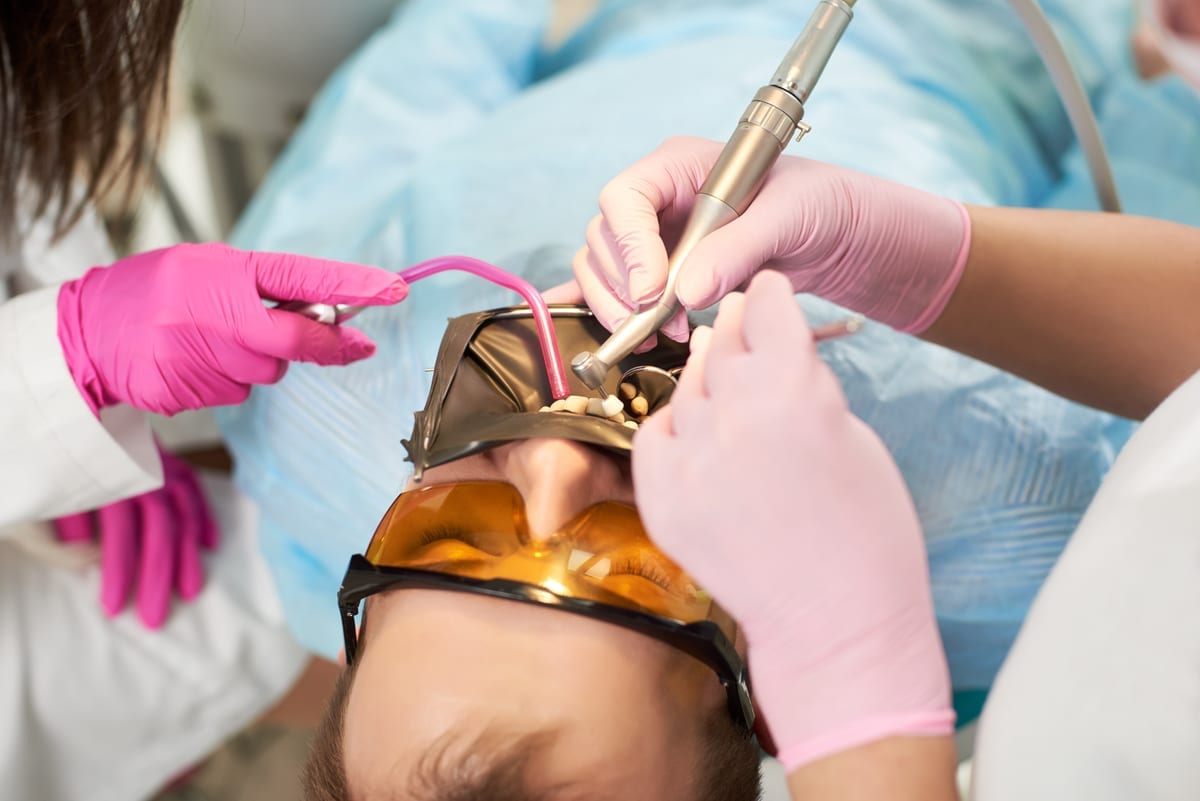
Children experience the world through their senses and emotions. A dental office can feel overwhelming — bright lights, unfamiliar sounds, and strangers touching their mouths. It makes perfect sense that many kids feel anxious.
Research shows that dental anxiety affects up to 20% of children in the United States. It is not a sign of bad parenting or a difficult child. It is a natural fear response to an unfamiliar and sometimes uncomfortable situation.
Dismissing your child’s fear with phrases like “it won’t hurt” can actually backfire. Children often feel unheard, which increases their anxiety. Validating the feeling first — before offering reassurance — builds trust and calms the nervous system far more effectively.
- Dental anxiety is rooted in fear of the unknown
- Sensory sensitivities can amplify the experience
- Past painful experiences create lasting associations
- Children often mirror parental anxiety about dental visits
How to Prepare Your Child Before the Appointment in Long Beach
Preparation is one of the most powerful tools parents have. What you say and do in the days leading up to a dental visit matters enormously. Avoid negative language around dental care at home — even casual comments can plant seeds of fear.
Try using positive, honest language. Tell your child the dentist will count their teeth and give them a gentle cleaning. Avoid making promises that nothing will happen, since that can destroy trust if the visit involves any discomfort.
Playing pretend dentist at home is a surprisingly effective technique. Let your child use a toothbrush to “check” stuffed animals or family members. Familiarity with the process reduces fear of the unknown.
- Read child-friendly books about dental visits together
- Watch age-appropriate videos showing what happens at the dentist
- Avoid scheduling appointments when your child is tired or hungry
- Practice deep breathing as a calming tool before you arrive
- Let your child bring a comfort item like a stuffed animal
What to Do During the Visit — Without Bribing With Candy
Many parents default to candy or treats as a reward for good behavior at the dentist. The irony is obvious — rewarding dental visits with sugar undermines the entire point. It also teaches children that the experience was something to be endured rather than embraced.
Instead, offer non-food rewards. Praise your child specifically and genuinely. Say things like, “You were so brave when you opened wide.” Specific praise helps children recognize their own strength and builds confidence for the next visit.
Stay calm yourself during the appointment. Children are incredibly perceptive. If you appear tense or apologetic about the visit, your child will pick up on that energy immediately. A relaxed, matter-of-fact attitude from you communicates that this is safe and routine.
Ask the dental team to explain each step before they do it. This technique — called tell-show-do — is a cornerstone of pediatric dental care. It removes the element of surprise, which is a major driver of childhood anxiety.
How Dr. Saad and Long Beach Dental Health Support Anxious Young Patients
At Long Beach Dental Health, Dr. Anthony Mark Saad and the team understand that a child’s first few dental experiences shape their relationship with oral health for life. Creating a calm, welcoming environment is not just a nice extra — it is part of the care.
The practice offers pediatric dentistry designed with children in mind. The team uses gentle language, moves at the child’s pace, and never rushes through an appointment. Building rapport with young patients is a priority at every visit.
For families dealing with significant anxiety, sedation options or behavioral techniques may be appropriate. Dr. Saad can discuss what approach makes the most sense for your child based on their age, temperament, and dental needs.
Long Beach Dental Health also offers Emergency Dentistry Long Beach services for urgent situations that cannot wait. A dental emergency can be particularly frightening for an already anxious child. Having a trusted, familiar dental team makes all the difference in those stressful moments.
Building Long-Term Dental Confidence in Your Child
The goal is not just to get through today’s appointment. The goal is to raise a child who grows into an adult with healthy dental habits and no fear of the dentist. That long-term outcome starts with the experiences you create right now.
Consistency matters. Regular six-month checkups mean your child sees the dental team often. Familiarity breeds comfort. When the dentist is a familiar face rather than a stranger, the anxiety naturally decreases over time.
Celebrate dental milestones as a family. Mark the calendar, acknowledge bravery, and make dental health part of your household culture. Children who grow up understanding why oral health matters are far more likely to maintain it as adults.
As your child grows, their needs may evolve. Long Beach Dental Health offers services including Cosmetic Dentistry Long Beach for teens and adults who want to feel confident in their smiles. Building healthy habits early makes those future options far easier to pursue.
Conclusion
Your child’s dental anxiety is real, it is valid, and it deserves a thoughtful response. With the right preparation, language, and dental team, anxious children can and do become calm, confident dental patients. Dr. Anthony Mark Saad and the Long Beach Dental Health team are here to support your family every step of the way. Book Now to schedule your appointment with our team.
Frequently Asked Questions
At what age should my child first see a dentist?
The American Academy of Pediatric Dentistry recommends a child’s first dental visit by their first birthday or within six months of their first tooth appearing. Early visits help establish familiarity and catch any concerns early.
What if my child refuses to open their mouth at the appointment?
This is more common than you might think. A skilled pediatric dental team will use gentle techniques, patience, and child-friendly language to help your child feel safe. Never force a child’s mouth open, as this increases fear. Building trust over multiple visits is often the most effective approach.
Should I stay in the room with my child during the dental visit?
In most cases, parental presence is encouraged, especially for very young or highly anxious children. However, some children actually perform better when parents wait in the reception area. Dr. Saad and the team will guide you on what works best for your specific child.
Is dental anxiety something my child will outgrow?
Many children do grow more comfortable with dental visits over time, especially with positive experiences and consistent care. However, without supportive strategies, anxiety can persist into adulthood. Starting with a compassionate dental team makes a significant difference in long-term outcomes.
Are there relaxation techniques that actually work for anxious children at the dentist?
Yes. Deep belly breathing, counting techniques, and listening to music through headphones are all evidence-based strategies that help reduce anxiety in children. Ask the Long Beach Dental Health team about what options are available during your child’s appointment.