1777 N Bellflower Blvd #213, Long Beach, CA 90815

Flossing is an easy, fast task, but it does wonders for your oral health. All it takes is one minute each day to keep your gums and teeth healthy and free from bacteria. Brushing your teeth is important, but flossing gets into spots between your teeth that you simply can’t reach with the toothbrush, making it an essential part of your oral hygiene routine.
The benefits of flossing often remain unnoticed. It can be tempting to think that brushing is enough to keep your mouth clean, but plaque and food particles can build up between teeth and, if left unremoved, lead to gum disease and cavities. This blog will discuss how a minute of flossing can be life-changing and why this should become your habit.
What is Flossing?
Flossing is no secondary option in your oral care routine; it’s a critical form of cleaning that directly contributes to healthier gums and teeth. The American Dental Association (ADA) recommends flossing at least once a day to prevent plaque buildup between your teeth. Plaque is a sticky film of bacteria that forms on the surfaces of your teeth and gums, and if left untreated, it can calcify into tartar, which in turn can lead to serious dental complications.
The process removes food particles and bacteria between your teeth that brushing can’t reach, helping prevent tooth decay and gum disease. No floss, and plaque will inflame your gums, a condition called gingivitis. If left untreated, this condition can progress to more advanced forms of oral health issues, requiring you to consult a dentist in Long Beach.
Flossing minimises the risk of bad breath by eliminating food debris trapped in between your teeth that bacteria consume. In 60 seconds, you get fresher breath, healthier gums, and a more trustworthy smile.
One-Minute Guide for Effective Flossing
Flossing does not need to be overly complicated. In fact, it’s quite simple. This is how to floss effectively in one minute:
- Snap off about 18 inches of floss: This seems like a lot, but it gives you room to play.
- Wind the floss around your fingers: Grasp the strand firmly between your thumbs and forefingers, leaving a bit of slack between them.
- Slide the floss between teeth gently: Gentle movement does not hurt your gums. Once the floss is in between your teeth, wrap it into a “C” shape around each tooth.
- Use a rubbing motion: Wipe the sides of your teeth with an up-and-down or back-and-forth motion to scrape off plaque and food debris. Don’t snap or force the floss; this can injure your gums.
- Move to the next tooth: Rinse every tooth one by one until all teeth are done.
Recall to floss each one of your teeth, particularly those in the rear of the mouth. If flossing is difficult for you, there are also tools such as floss picks or a water flosser to make it easier.
How One Minute of Flossing Can Make a Difference
You may be surprised by just how much one minute of flossing can impact your oral health. Flossing has solid benefits beyond getting food out of your mouth; it can help keep your gums healthy by removing plaque that builds up between teeth and along the gumline. By flossing on a regular basis, you’re protecting your teeth from cavities as well as your gums from conditions like gingivitis.
Flossing is good for your health, too. Research has linked poor oral hygiene, particularly gum disease, to ailments like heart disease, diabetes, and respiratory illnesses. By spending just one minute a day flossing, you’re not only improving your smile but also protecting your health.
The Role of Your Dentist in Flossing
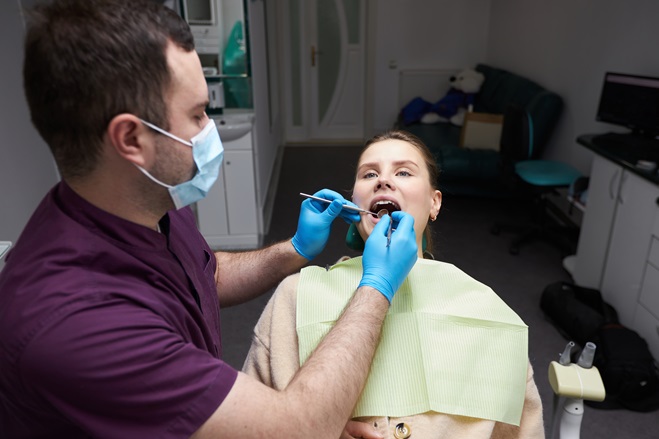
Flossing is something that you can do at home, but to ensure good oral health, it is vital to have regular checkups with your dentist in Long Beach. Your dentist is crucial in identifying early signs of gum disease, cavities, and other dental problems. During your routine check-ups, areas of the mouth that are difficult for you to reach can be addressed by your dentist, who will ensure a thorough cleaning of your teeth and gums.
Your dentist can also provide guidance on proper flossing technique, especially if you have braces or opt for dental implants or other specialized dental devices that require extra care. If you have questions about how to floss or want more tips to improve your oral care routine, don’t hesitate to ask at your next appointment.
Making Flossing a Daily Habit
A crucial part of healthy oral hygiene is flossing. Making it part of your daily routine may lead to healthier gums and teeth. Here’s how to make flossing a regular habit:
- Set a Daily Reminder: Use reminders on your phone or an app to set alerts at the time of day that would work best for you, so you don’t forget.
- Keep Floss Visible: Keep a container of floss in an easily visible place (say, on your bathroom counter) to remind you to use it consistently.
- Floss After Each Meal: Make it a point to floss right after eating to stop food particles from remaining between your teeth.
- Keep Floss On Hand: Pack floss in your bag or car for on-the-go oral hygiene.
One minute a day is all you need to boost your oral health and have a brighter, healthier smile!
Take Action for Your Oral Health
One minute a day of flossing is all you need to be well on your way to better oral health. If you’ve been slacking on your flossing, get to it. Good oral hygiene is important, and our caring team at Long Beach Dental Health is here to help you through every step of the process.
Whether you just need advice or professional cleaning to keep your teeth and gums in tip-top shape, call us to make an appointment today! Our friendly team is here to help you on the journey towards a healthy smile you can show off.
Questions People Ask About Flossing
How often should I floss?
Flossing once a day is recommended to effectively remove plaque and food particles from between your teeth. Daily flossing helps prevent gum disease, cavities, and bad breath, ensuring your teeth and gums stay healthy.
Can flossing replace brushing?
No, flossing cannot replace brushing. Brushing cleans the surface of your teeth, while flossing removes plaque and debris between your teeth and along the gumline. Both are necessary for optimal oral hygiene and preventing dental issues.
Is flossing painful?
Flossing shouldn’t be painful. If you feel discomfort, it might indicate gum disease or improper technique. Gently work the floss between your teeth without snapping it, and consult your dentist for tips if you experience regular discomfort.
Can I use a water flosser instead of traditional floss?
A water flosser can be an effective alternative, especially for braces or dental implants. However, traditional flossing is still recommended for thorough plaque removal and gum health. It’s ideal to incorporate both into your oral care routine.
How long does it take to floss properly?
Flossing properly typically takes about one minute. It’s a quick and simple addition to your daily oral care routine that helps remove plaque and food particles from between your teeth, contributing to better overall oral health.
What happens if I don’t floss regularly?
Neglecting to floss regularly allows plaque and bacteria to build up between your teeth, increasing the risk of cavities, gum disease, and bad breath. Flossing daily removes debris and promotes healthier teeth and gums, preventing long-term dental issues.