1777 N Bellflower Blvd #213, Long Beach, CA 90815
Good oral health becomes critically important as we grow older, when teeth start to loosen and fall out. Seniors who have lost their teeth can run into chewing difficulties as well as problems speaking and smiling. Thanks to recent advances in dental technology, dental implants are now an option for the elderly seeking remedies for the erosion of oral function.
Dental implants provide a lasting solution that not only replaces lost teeth but also enhances the overall quality of life. With proper care, they allow seniors to eat and speak as they did before, so they can continue enjoying their favorite foods and carrying on normal, everyday chats. In this blog, you will learn how implants really restore oral function for seniors and how they compare to other tooth replacement options.
The Importance of Oral Function for Seniors
Oral health greatly affects the quality of life of elderly people and their daily lives. Bad teeth can seriously interfere with eating, talking, and even self-image. Dental implants offer the elderly a permanent solution to problems caused by missing teeth. They can restore people’s ability to eat, talk, and smile. Here are some of the advantages of oral function restoration for older people brought about by dental implants:
- Greater Chewing Power: With dental implants, SSs can chew as comfortably and forcefully as with their original teeth, allowing for a wider variety in their diets
- Improved Speech: When teeth are lost, pronunciation is seriously affected. Implants restore the ability to speak naturally again, making communication easier and clearer
- Social Functions Maintained: Implants stimulate the jawbone. This prevents bone loss. Thus, they can help preserve the facial contours that may have been changed by missing teeth.
- Greater Ease of Mind: Dental implants revive the look of a complete smile, thus boosting confidence and social interaction
- Longer Durability: Unlike dentures, dental implants in Long Beach provide seniors with a fixed, long-term solution. There is no need to go back in time and again for adjustments or replacements.
Are Dental Implants a Good Choice for Seniors?
Dental implants are the best bet for most seniors. However, health, bone strength, and dental requirements should all be taken into consideration. The success of dental implants depends on many factors: your overall health, the density of your jawbone, and the condition of your oral hygiene. Seniors who are in good health and have enough bone density in their jaws for implants are typically good candidates.
An implant dentist may need to postpone the procedure for seniors with specific health conditions, such as uncontrolled diabetes or severe gum disease. The doctor will perform a health assessment to determine whether implants are really the best for each patient’s needs. Good oral hygiene and regular dental checkups are also essential; this helps our new teeth last longer. While dental implants are lower maintenance than other false teeth, you still have to look after them properly to keep them going.
Dental Implants Procedures
The process for getting dental implants typically involves the following steps:
- Consultation: The first step is a consultation with an implant dentist, who will assess your oral health, take X-rays of your mouth and jaw, and devise an appropriate treatment plan for you.
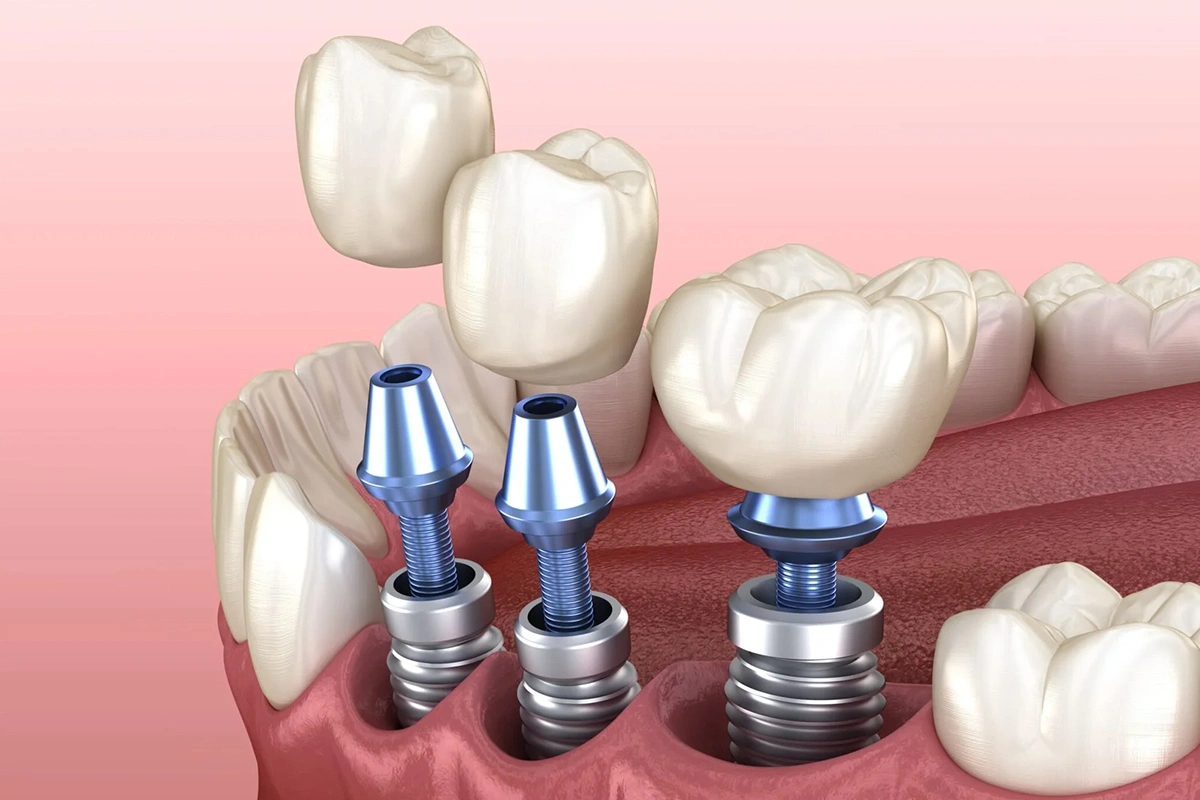
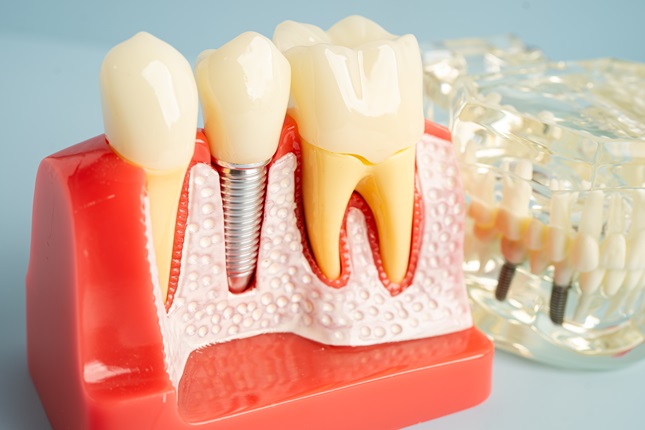
- Attaching the Implant: In step 2, the dentist surgically placed the titanium post into his own jawbone. This post is designed to become a tree and needs time to fuse with the bone through a process called osseointegration.
- Healing: After the implant is placed, the healing period can last a few months. During this time, temporary arrangements may need to be made for eats and looks.
- Implant Restoration: When the implant is fully integrated with the body or well-fused to the bone, a crown or bridge is placed on top of the post. This restoration not only looks like your natural teeth but also acts just like them, concluding stage four of this amazing process.
Benefits of Dental Implants for Seniors
For seniors, dental implants bring many benefits. They can improve oral function and give confidence. It’s also a stable solution for lost teeth. For instance, better speech and the ability to eat and taste improve the quality of life.
- Permanent: The dental implant is a permanent way to solve the problem of missing teeth, unlike dentures or bridges, which must be replaced over time
- Recovering Quality of Life: By replacing lost teeth with dental implants, this work reverses all kinds of functional defects, making it easier to chew and talk, better pronunciation
- Health Benefits: Dental implants leave the jawbone and surrounding teeth untouched. Implants help maintain a healthy balance throughout
- Aesthetics: With dental implants, a senior can wear a natural-looking smile that is the best fit for them.
Regain Your Function and Smile with Dental Implants
Dental implants are an excellent method to restore the smile and oral function for seniors. They not only offer a durable, thoroughly practical solution for missing teeth but also provide considerable health benefits, including preserving the jawbone and improving nutrition. If you want a long-term way to deal with tooth loss, dental implants might just be the answer to regaining that smile and your confidence.
At Long Beach Dental Health, we’re committed to helping seniors regain oral function with dental implants. If you’re ready to take the next step in making your smile and mouth healthier than ever before, or if now is a prime time to have your dental work done, call us today. Our welcoming team will ensure you are guided throughout the process and receive the best possible care.
Questions People Ask About Dental Implants
1. How long do dental implants last?
Dental implants are a long-lasting solution. With proper care, they can last 25 years or more, providing stability and durability without the need for frequent replacements like dentures or bridges.
2. Can seniors with health conditions get dental implants?
Seniors with health conditions such as diabetes or heart disease can often get dental implants, but it’s important to manage these conditions beforehand. Your implant dentist will assess your health to determine if implants are right for you.
3. Are dental implants painful?
While dental implant surgery involves some discomfort, it’s typically manageable. Local anesthesia is used to numb the area, and most patients report minimal pain during recovery, which can be managed with over-the-counter medication.
4. How do dental implants compare to dentures?
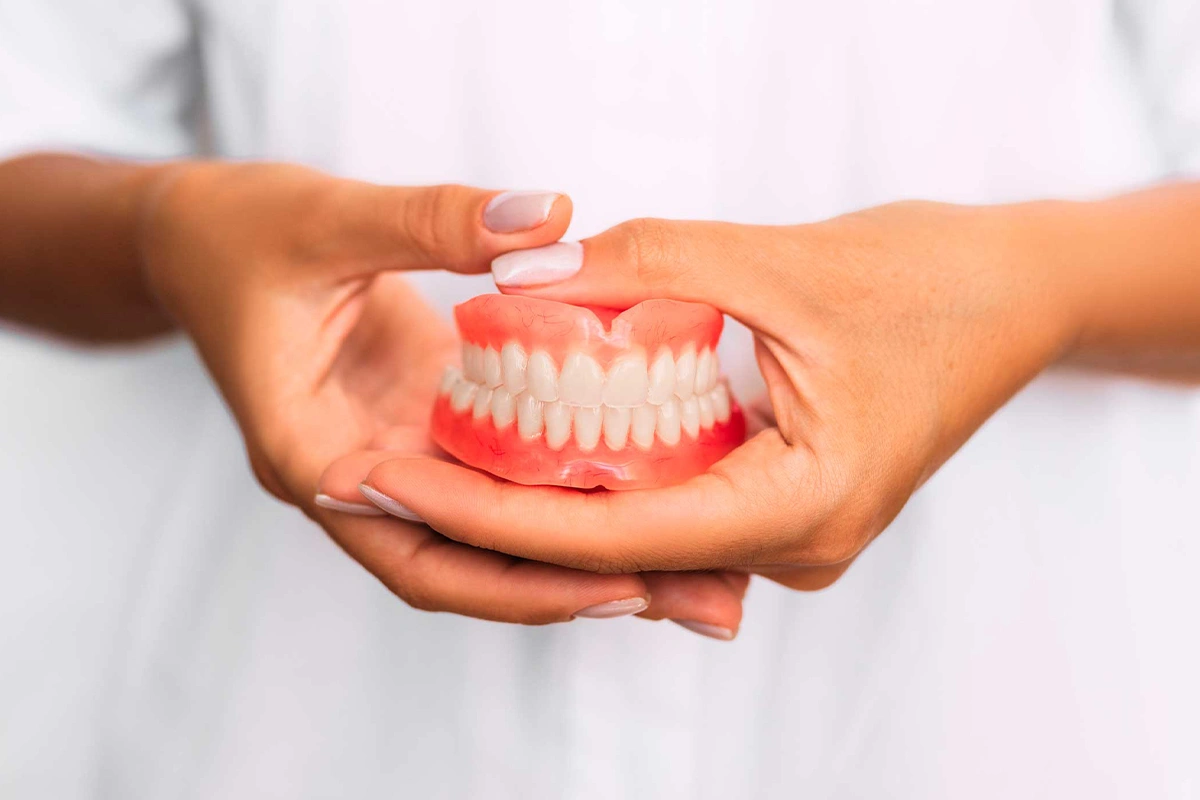
Dental implants are more stable and long-lasting than dentures. Unlike dentures, which can slip or move, implants are securely anchored in the jawbone, providing a natural, permanent solution that preserves oral function and appearance.
5. Will I need to take care of dental implants differently from natural teeth?
Dental implants require similar care to natural teeth, brushing, flossing, and regular dental visits. Proper oral hygiene helps maintain the longevity of implants, ensuring they function well and prevent issues like gum disease.
6. How can dental implants improve my diet?
Dental implants restore your ability to chew effectively, allowing you to eat a wider variety of foods comfortably. Unlike dentures, which can slip, implants provide a stable bite, making eating both easier and more enjoyable.